May 5, 2026
Whether you're renovating your home or building anew, flooring is a crucial component that demands careful consideration. The right flooring choice, including options like epoxy coating, can significantly impact the aesthetics, functionality, and value of your home. Let’s take a look at the essential questions that can steer your flooring project in the right direction.
1. What Flooring Options Should You Consider?
Pros and Cons of Popular Choices
Every flooring material has its strengths and weaknesses that must be weighed before making a choice. Hardwood floors, for instance, are timeless and increase property value, but they can be susceptible to scratches and are often more costly. Laminate flooring offers durability and ease of maintenance, although it may not have the authenticity of real wood. Tile flooring is excellent for areas with high moisture, but it can be cold and hard underfoot. Evaluating these pros and cons with your flooring expert can clarify what suits your needs best.
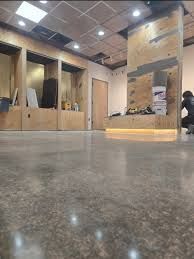
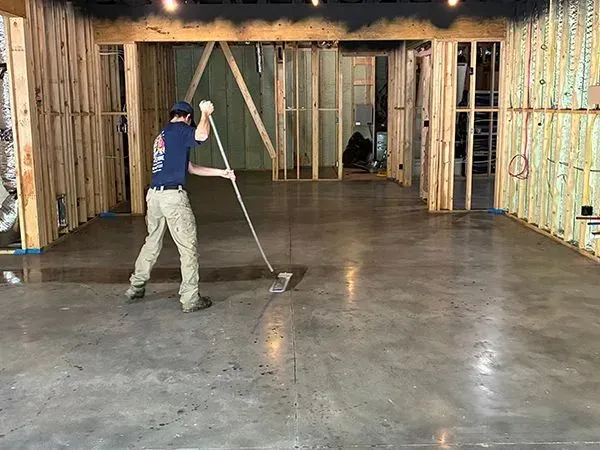
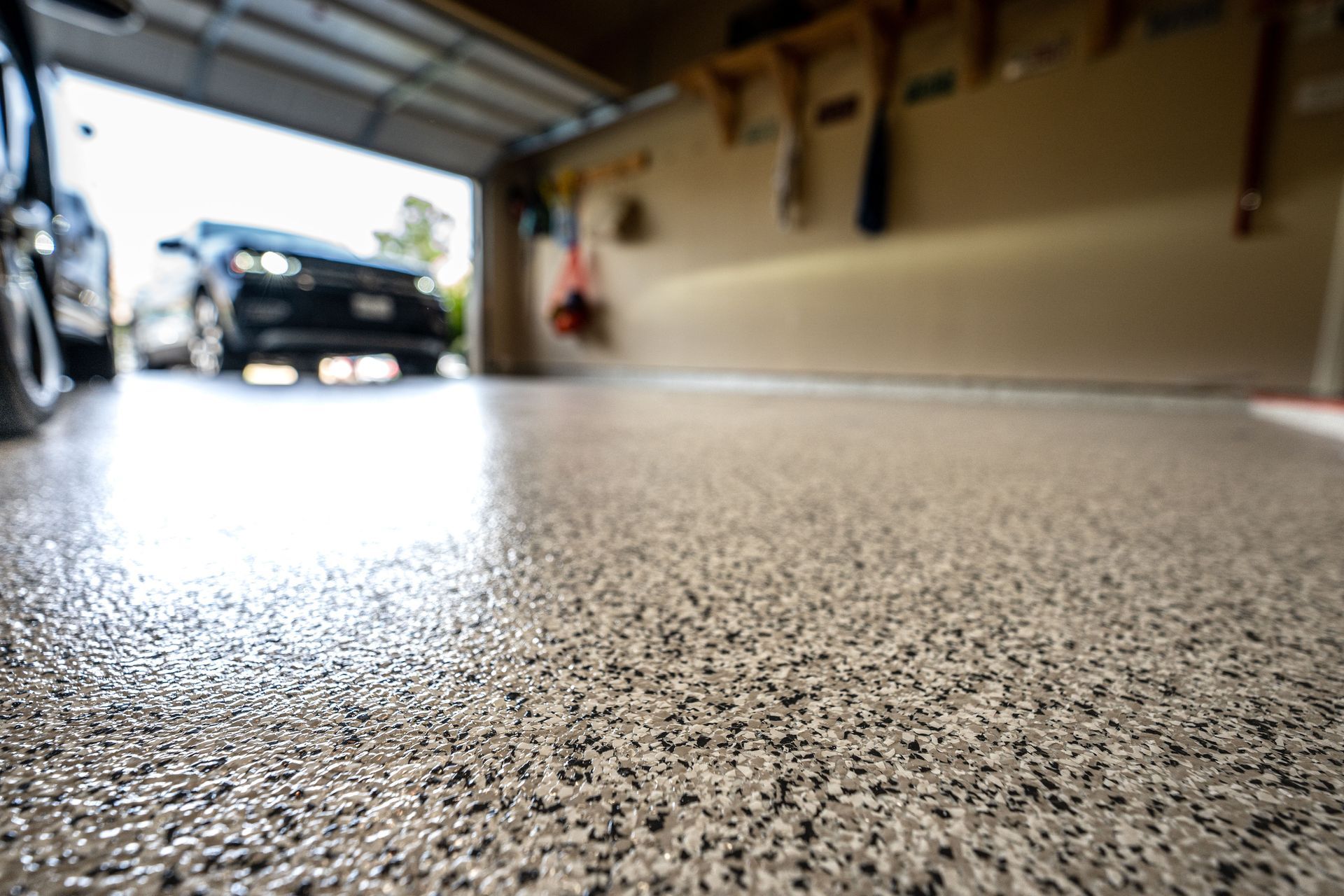
Vinyl planks are gaining traction due to their water resistance and realistic wood look. However, if damaged, it might require section replacement rather than spot repair. Carpet is praised for its comfort and noise-dampening qualities but demands regular cleaning and is prone to staining. In modern settings, concrete flooring presents a chic industrial look, although it can be cold and hard underfoot. A quality epoxy coating can add a protective, polished finish to concrete surfaces that need extra resilience. A detailed discussion about these options will illuminate the best path forward.
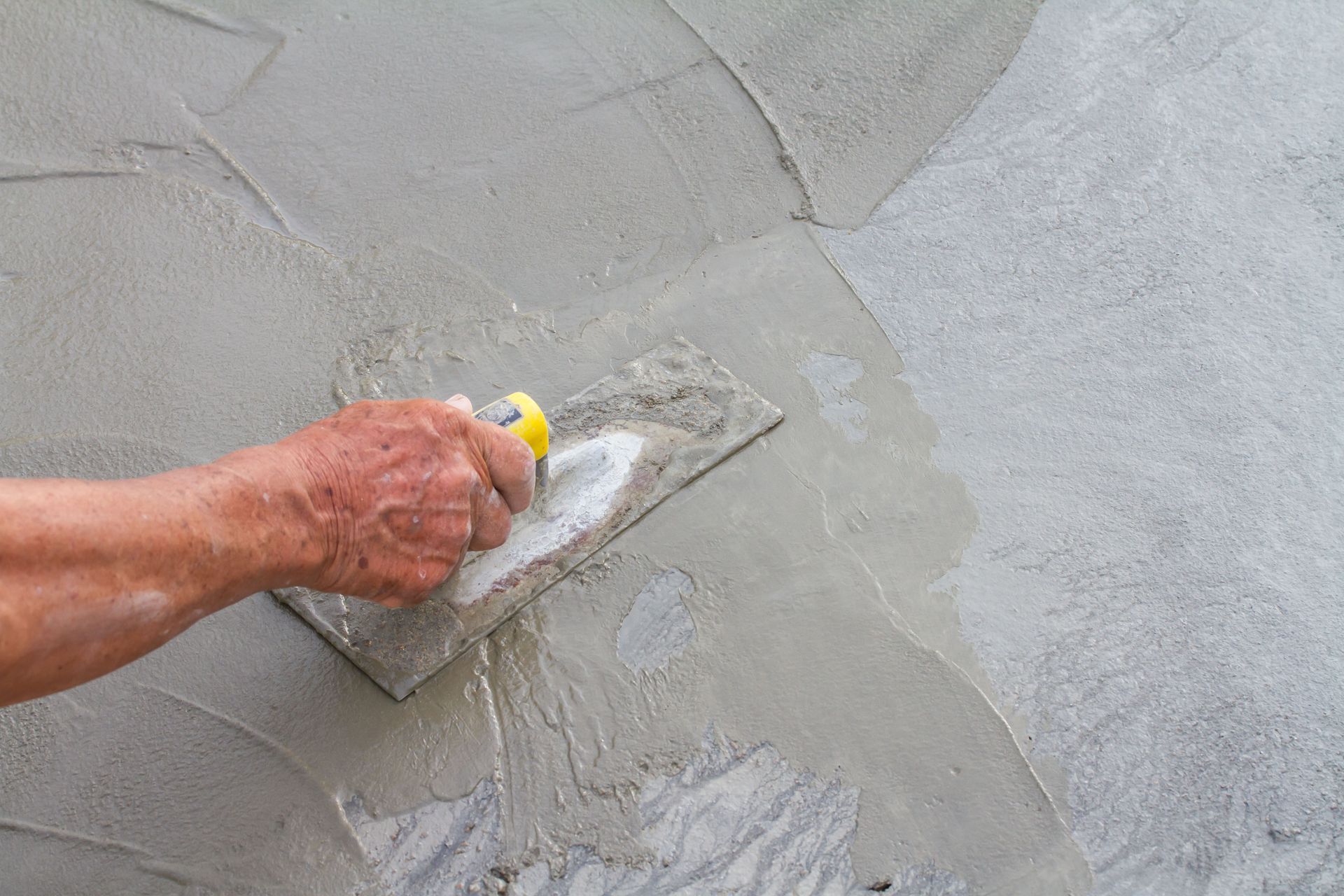
According to HeatAuthority, concrete cured in ideal temperatures (55-90°F) reaches 100% of its design strength at 28 days. This makes it a robust option for areas that demand durability. Yet, its potential for cracking and the requirement for periodic sealing may not be ideal for every space. Balancing the advantages and disadvantages of each material allows homeowners to make well-informed decisions that align with both functionality and lifestyle. The discussion with your expert becomes invaluable in managing these intricate details.
Latest Trends in Flooring
Flooring trends evolve as homeowners seek to personalize their spaces in innovative ways. Current trends emphasize sustainability, with increased interest in eco-friendly materials such as reclaimed wood and recycled metal. Large-format tiles are also popular, offering fewer grout lines and a clean, modern aesthetic. Textured finishes, such as wire-brushed or hand-scraped wood, are in demand, adding character to contemporary designs. Decorative epoxy coating is also becoming popular for homeowners who want a sleek, customizable surface. Engaging your expert in a discussion about trends can inspire fresh ideas for your project.
Color is another domain in which flooring trends are shifting. While neutral tones remain popular, darker hues and bold patterns are making a notable impact in modern interiors. The resurgence of bold, colorful tiles reflects a growing desire for spaces that exude personality and uniqueness. The incorporation of mixed materials, such as combining wood with metal inlays, offers versatility in design and personalization. Consulting your flooring expert can provide insights into how these trends may be utilized in your home.
In addition to aesthetics, technological advancements are shaping flooring trends. For example, smart flooring can be integrated with home automation systems, offering features like temperature regulation and sound management. High-definition digital printing allows for extraordinarily realistic replicas of natural materials in vinyl and laminate. Discussing technological innovations with your expert helps you stay aware of cutting-edge options that might enhance your living experience. A coordinated effort with your flooring specialist opens doors to both contemporary design and advanced functionality.
Durability and Lifespan of Different Materials
Durability is a key consideration when choosing a flooring material, as some areas endure more wear and tear than others. Hardwood flooring, for example, can last a lifetime if properly maintained, although it may require refinishing over time. In contrast, laminate flooring offers a more limited lifespan but compensates with its resilience against scratches and dents. Tile is one of the most durable options, enduring heavy use without significant wear, making it ideal for high-traffic and moisture-prone areas. A durable epoxy coating may provide similar durability benefits for concrete floors in busy spaces. Understanding the expected lifespan of different materials can guide your decision-making process.
Vinyl and luxury vinyl planks have significantly improved in quality, offering life spans upward of 20 years. These materials resist scratches, stains, and water, making them suitable for almost every room in the home. Carpets, while offering comfort, typically have shorter life spans due to staining and wear, although improvements in materials have extended their uses. Engaging with an expert about the expected durability of each material helps align expectations with practicality. Partnering with a knowledgeable flooring expert supports informed decisions that enhance your home’s longevity.
Concrete, when reinforced and sealed, offers exceptional longevity. According to HeatAuthority, concrete reaches its full design strength at 28 days, given ideal curing conditions. Discussing these details provides a balanced perspective of both advantages and possible limitations. Your expert's insights into material durability help verify that your choice aligns with your home’s specific demands and your lifestyle aspirations.
2. What Costs Should You Discuss Before Starting Your Flooring Project?
Budgeting for Your Project
Planning a budget for your flooring project is essential to confirm that expenditures remain within desired limits. Begin by assessing the size of the area in question, as this directly influences material and labor costs. Account for any preparatory work, such as demolition or leveling, as these may incur additional expenses. Speak with your flooring expert about realistic estimates based on chosen materials, installation methods, and local pricing, including the cost of epoxy coating when it fits the project. A comprehensive budget will help avoid unexpected costs and provide clarity on investment needs.
Investigating different materials within your budget range reveals opportunities to economize without sacrificing style or durability. Your flooring expert can highlight cost-effective alternatives that deliver similar visual appeal and performance. Additionally, understanding discounts, sales, or bulk purchase opportunities could significantly reduce overall expenses. Aligning your flooring choice with your budget goals, guided by expert insights, results in an efficient and satisfying investment. Therefore, comprehensive discussions help your financial plans and flooring ambitions align.
Being aware of potential cost variability aids in realistic budget planning. Factors such as seasonal availability, fluctuations in market demand, and regional shipping fees can impact costs. Hidden costs, including underlayment, trim pieces, and transition strips, must also be considered. Open communication with your flooring expert can reveal these often-overlooked aspects and prevent financial misjudgments. With a clear understanding and strategic planning, cost concerns become manageable within your planned project.
Comparing Initial Costs and Long-Term Value
Initial costs of flooring materials can vary significantly, with some options requiring higher upfront investments. However, considering the long-term value and return on investment is vital in determining the best choice. Hardwood flooring, for example, may present higher initial costs but contributes significantly to property value due to its durability and aesthetic appeal. Vinyl and laminate offer affordable upfront costs but may not provide similar value retention. Discuss the potential return on investment with your flooring expert to determine your home's ideal balance.
Understanding the life cycle cost of flooring brings additional clarity to planning efforts, particularly when comparing replacement flooring with epoxy coating for an existing slab. Materials with enhanced durability may reduce replacement frequency, ultimately saving costs over the long term. Additionally, energy-efficient options like insulating underlays can reduce heating and cooling expenses. Consulting your expert about life cycle assessments and potential savings provides a deeper understanding of your options. This informed decision-making process highlights the importance of expert collaboration in maximizing the longevity and value of your flooring investment.
Choosing the right flooring starts with asking the right questions. From material options and long-term durability to installation timelines, hidden costs, and maintenance needs, each detail can shape the success of your project. Whether you're interested in hardwood, tile, vinyl, concrete, or epoxy coating, speaking with a local flooring expert can help you compare your options and choose a surface that fits your home, budget, and lifestyle. Contact FlynnStone Decorative Concrete today to learn more.