July 27, 2026
Concrete floors have long been valued for their strength, affordability, and versatility, but many property owners once viewed them as purely functional surfaces. Garages, basements, warehouses, showrooms, patios, and commercial work areas often relied on unfinished concrete because it could withstand regular use. However, bare concrete can still stain, absorb moisture, create dust, and develop an uneven appearance over time.
Concrete floor coatings have become popular because they can transform plain surfaces without requiring complete floor replacement. Depending on the product and application method, a coating can provide color, texture, gloss, slip resistance, chemical protection, or easier maintenance. Modern systems also suit residential, commercial, and industrial settings. As property owners prioritize durability, appearance, and long-term value, coated concrete is becoming a practical choice for more spaces.
Improving Everyday Durability
One reason concrete floor coatings continue to gain attention is their ability to protect surfaces against daily wear. Although concrete is naturally durable, repeated vehicle traffic, foot traffic, dropped tools, rolling equipment, and furniture movement can gradually damage an unprotected floor. A professionally applied coating creates an added barrier over the concrete.
This protective layer may help reduce scratches, abrasions, minor impacts, and surface deterioration. In garages, it can support the demands created by parked vehicles, lawn equipment, storage cabinets, and home projects. In commercial buildings, similar protection can help floors hold up under carts, machinery, deliveries, and frequent customer traffic.
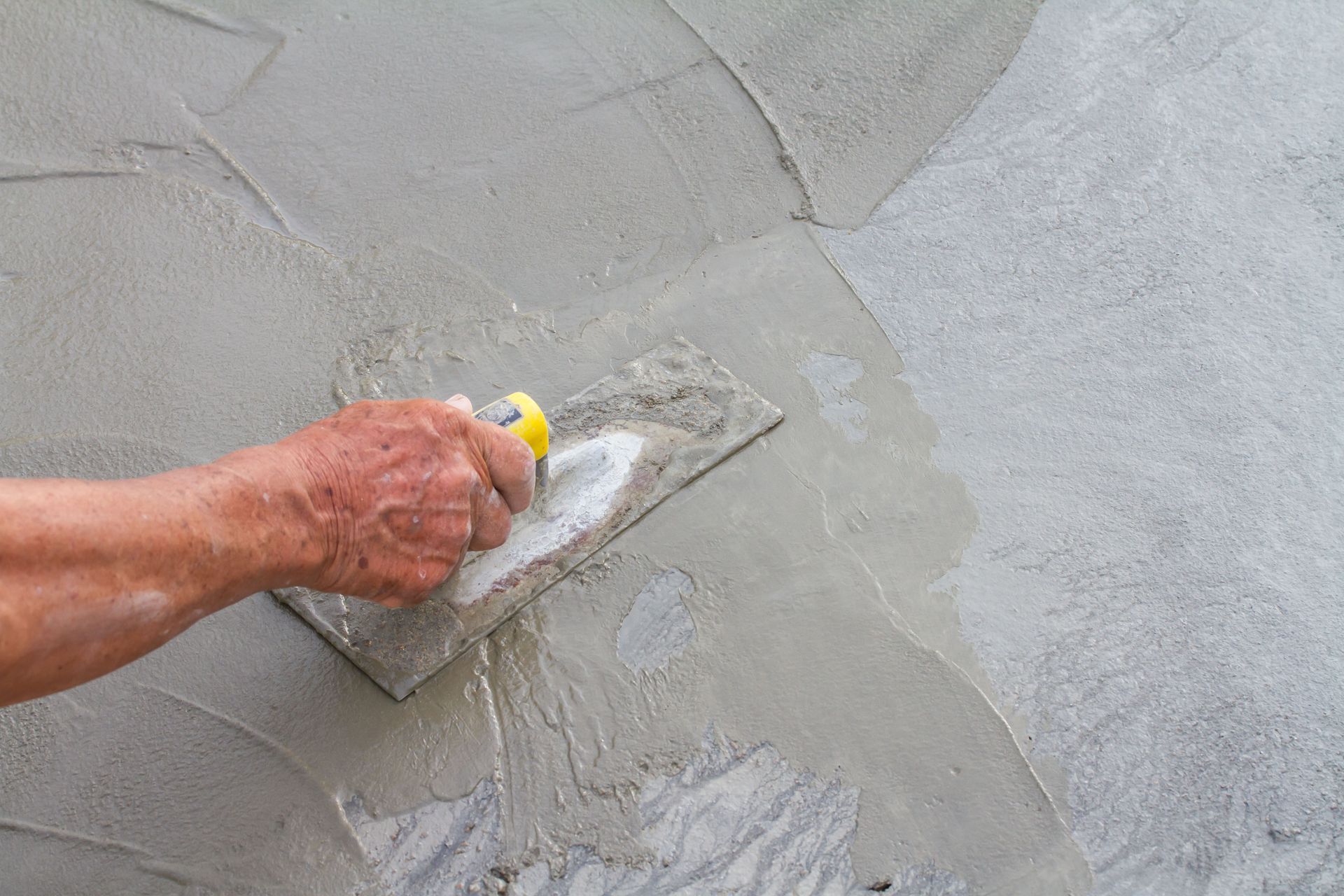
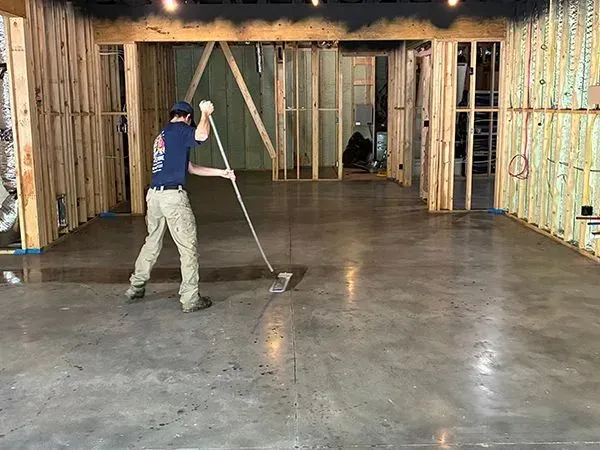
The performance of concrete floor coatings depends on proper surface preparation and product selection. Installers typically evaluate the slab, repair visible damage, and prepare the surface so the coating can bond effectively. When each step is completed correctly, the finished floor can perform well while helping the underlying concrete remain in better condition.
Protecting Against Stains and Moisture
Bare concrete is porous, so liquids can penetrate the surface and leave difficult stains. Oil, grease, chemicals, and cleaning products may create lasting discoloration. Moisture can also enter through small openings and contribute to problems, particularly in basements, garages, utility areas, and other spaces exposed to changing conditions.
Concrete floor coatings create a more resistant surface that can limit absorption and make spills easier to address. Instead of immediately soaking into the slab, many liquids remain on top long enough to be cleaned away. This feature is useful in garages, workshops, kitchens, retail areas, and service facilities where spills may occur regularly.
Some systems are also designed to resist specific chemicals or moisture conditions. However, a coating should be selected only after considering the environment where it will be used. A professional can assess exposure levels, ventilation, temperature changes, and the slab’s condition before recommending a suitable product. This evaluation helps owners choose a system that matches the space.
Expanding Decorative Possibilities
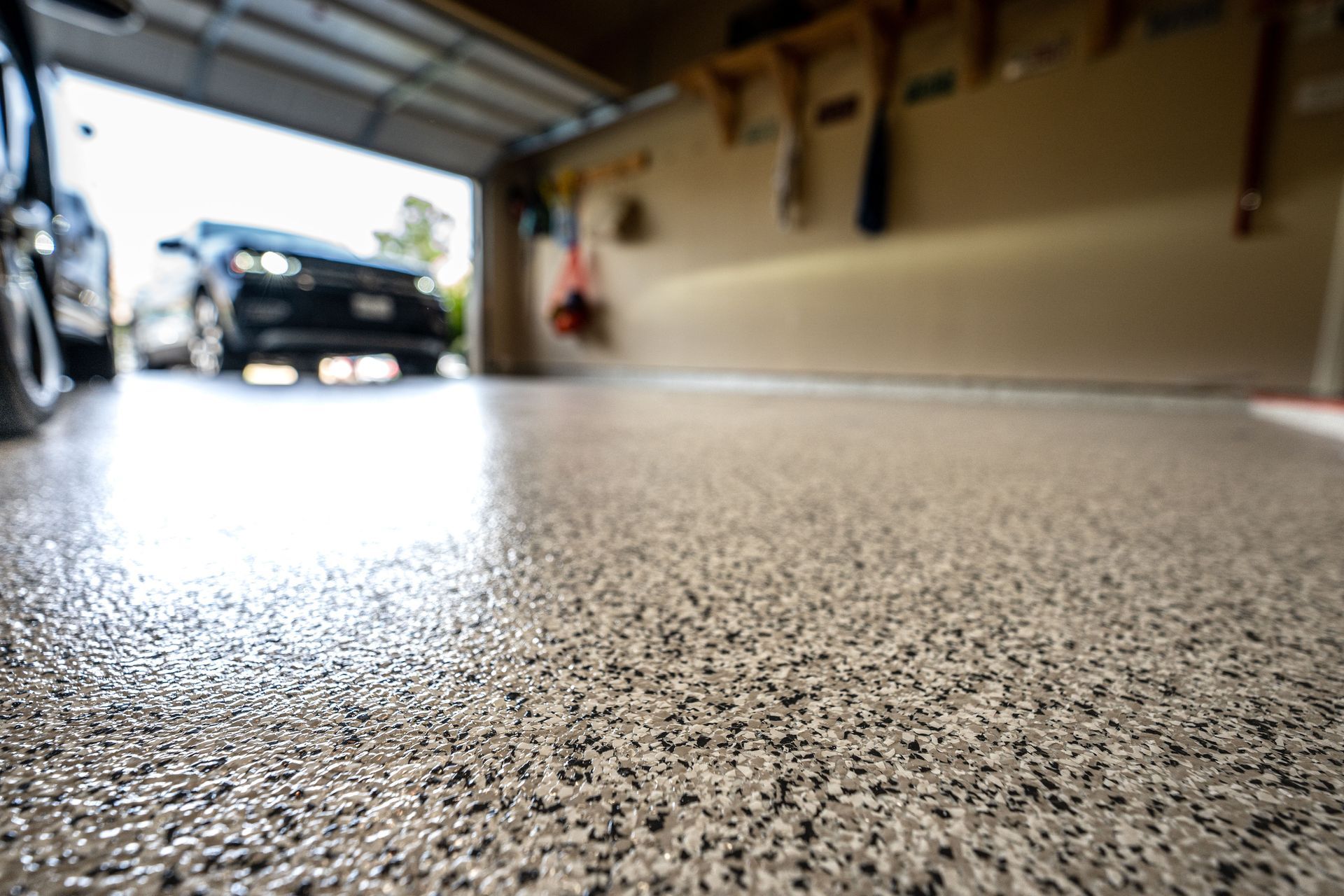
Another factor behind the popularity of concrete floor coatings is the wide range of design choices available. Property owners are no longer limited to plain gray floors or basic solid colors. Coating systems may include decorative flakes, metallic effects, quartz blends, custom color combinations, high-gloss finishes, or subtle matte appearances.
These options allow a floor to support the property’s overall style. A polished-looking garage can complement updated storage and lighting, while a decorative basement floor can make the room feel more finished. Commercial spaces can also use customized flooring to reinforce branding or create a specific atmosphere.
According to Fortune Business Insights, the global concrete floor coatings market reached USD 5.49 billion in 2025 and is projected to grow to USD 9.84 billion by 2034, reflecting a CAGR of 6.7%. This projected growth suggests that more property owners recognize the combination of decorative flexibility and functional performance these products can provide.
Supporting Easier Floor Maintenance
Maintenance is another reason many people choose concrete floor coatings. Unfinished concrete can release dust, collect debris in small pores, and develop stains that require repeated scrubbing. Cracks, rough patches, and uneven textures may also make sweeping and mopping less efficient.
A coated floor generally has a smoother, more uniform surface. Dirt, dust, and spills are less likely to settle deeply into the concrete, simplifying routine cleaning. In many spaces, regular sweeping and occasional mopping may be enough to maintain the floor’s appearance. Cleaning methods depend on the coating material and activities in the area.
Concrete floor coatings can also create a more polished appearance because they reduce some visual inconsistencies associated with bare concrete. Owners should still follow care instructions, avoid harsh products that could damage the finish, and address spills promptly. Simple maintenance habits can help preserve the coating and extend its useful life.
Increasing Safety and Functionality
Flooring decisions are not only about appearance. Safety and functionality are important in garages, work areas, commercial facilities, pool surroundings, and other spaces where moisture or debris may create slippery conditions. Certain concrete floor coatings can include textured additives that improve traction and create a more secure walking surface.
The level of texture can often be adjusted based on how the area will be used. A residential garage may need moderate slip resistance without becoming difficult to clean, while an industrial space may require more aggressive texture. Installers can help balance traction, comfort, maintenance, and visual goals when selecting a system.
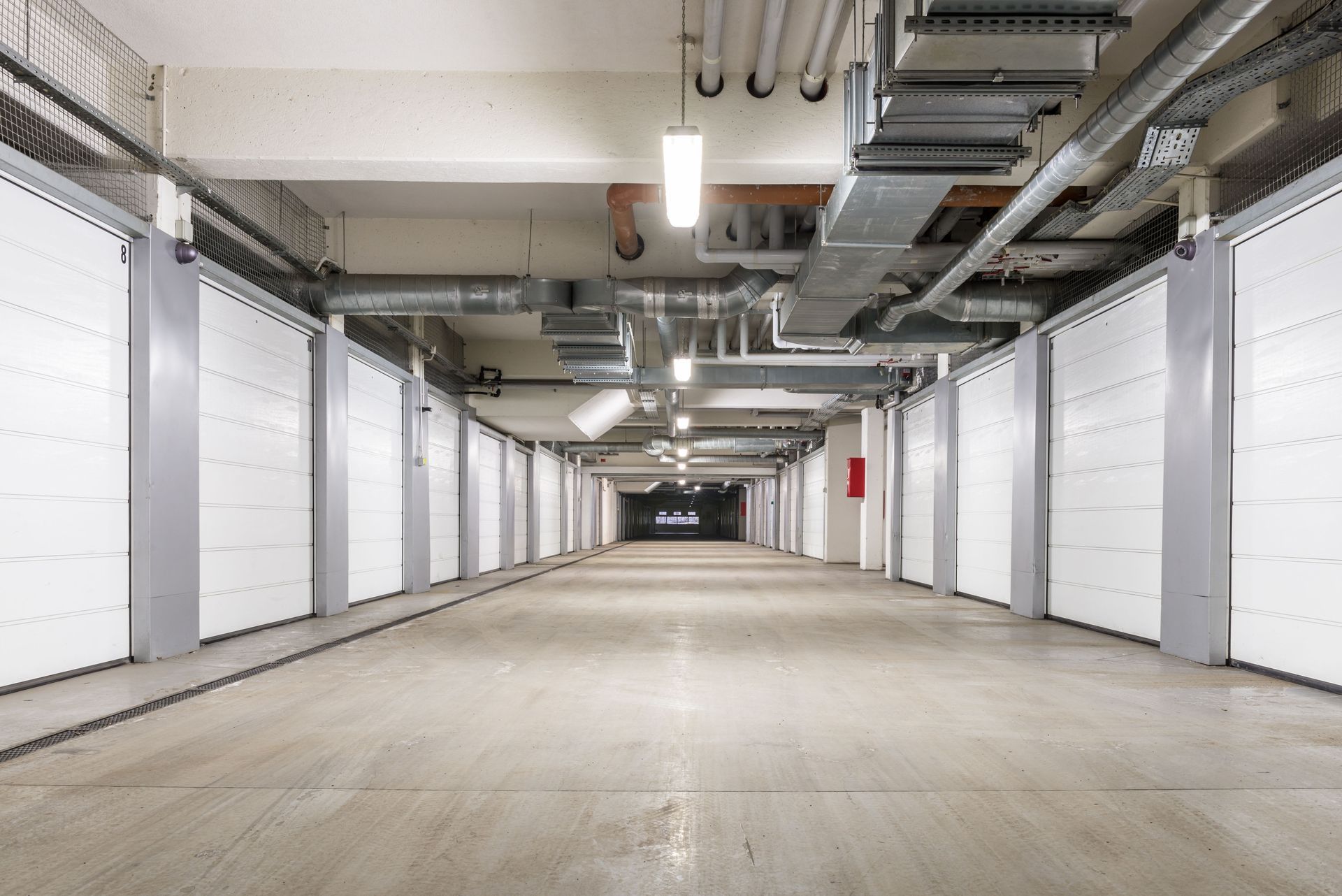
Coatings may also improve visibility by brightening the floor or reflecting available light. Lighter colors and glossy finishes can make garages, basements, and workspaces feel cleaner and more open. In commercial settings, colored sections or markings may organize work zones, walkways, storage areas, or equipment locations. These benefits add to the appeal of coated concrete.
Extending Long-Term Property Value
Property owners often compare improvement costs with the value and convenience they expect over time. Concrete floor coatings can be appealing because they upgrade an existing slab instead of requiring an entirely new flooring structure. When the concrete is suitable for coating, the process can provide a major visual and functional change with less disruption than some replacement options.
A clean, durable floor may also improve how buyers, customers, tenants, or visitors perceive the property. Finished garages and basements can feel more usable, while commercial spaces may appear more organized and professionally maintained. Although a coating cannot guarantee added value, it can strengthen the property’s overall presentation.
The longevity of concrete floor coatings varies based on the system, installation quality, traffic levels, environmental exposure, and maintenance. Choosing the least expensive option without considering these factors may lead to disappointing results. Professional guidance helps owners compare coating types, understand preparation requirements, and select a solution that aligns with their budget and expectations.
Choosing Professional Installation
Successful coating projects begin before the final material is applied. The concrete must be evaluated for cracks, moisture, contaminants, previous sealers, and other conditions that could interfere with adhesion. Surface preparation may involve grinding, cleaning, repairs, or additional treatments. Skipping these steps can cause peeling, bubbling, uneven coverage, or premature failure.
Professional installers understand how concrete floor coatings respond to temperature, humidity, curing times, and surface conditions. They can recommend a system based on whether the floor is indoors or outdoors, how much traffic it receives, and what substances may contact it. They can also explain expected drying times, maintenance needs, and limitations before work begins.
The continuing popularity of coated concrete reflects a broader interest in surfaces that combine strength, design, and convenience. With proper planning and installation, property owners can improve durability, simplify maintenance, enhance safety, and create a more attractive space. Call FlynnStone Decorative Concrete today to schedule your concrete floor services.